Now Reading: Making Money Online From Affiliate Marketing
-
01
Making Money Online From Affiliate Marketing
Making Money Online From Affiliate Marketing


So You Want to Do Affiliate Marketing. Here’s What Nobody Tells You First.
I spent three months getting zero results before I understood one simple thing. Let me save you that time.
AK
Asad Khan · Blogger, affiliate marketer since 2021 · May 2026 · 12 min read
Let me be straight with you. When I first heard about affiliate marketing, I thought it sounded too easy. Put a link somewhere, people click it, you get paid. Three months later I had made exactly $4.12 — one commission from my own test purchase — and I was ready to call the whole thing a scam.
It wasn’t a scam. I just had no idea what I was actually doing. Once I understood the real mechanics — not the YouTube thumbnail version, but the actual business logic behind it — things started to click. That’s what this article is about.
What affiliate marketing actually is (not the textbook definition)
You know how sometimes a friend tells you about a restaurant, you go, spend money there, and leave happy? The restaurant got a customer it wouldn’t have found otherwise — all because your friend vouched for it. That’s the whole model, except the “restaurant” pays your friend a referral fee.
You’re the friend. You have an audience — a blog, a YouTube channel, a newsletter, a social media following, even a WhatsApp group if people trust your recommendations. A company gives you a unique tracking link for their product. You share it. When someone buys through that link, you earn a cut. No inventory. No customer support. No product to build. Just the recommendation.
The job isn’t selling. The job is connecting the right person with the right product at exactly the right moment — when they’re already looking for it.
That distinction matters more than most people realize. The moment you start thinking of yourself as a salesperson, your content turns pushy and people stop trusting you. The best affiliate marketers write like they’re helping a friend make a decision, not like they’re trying to hit a quota.
The actual mechanics — how money moves
When you join an affiliate program, you get a unique link. Something like amazon.com/?tag=asadreviews-20. Every click on that link drops a small file called a cookie into the visitor’s browser. That cookie sits there, quietly, for a set number of days.
If that person buys anything during that window — even something completely different from what you recommended — the sale gets credited to you. That’s the cookie window, and it varies wildly by program.
Real example
Amazon’s cookie lasts 24 hours. Someone clicks your link to look at a camera lens, doesn’t buy it, then comes back the next morning and orders a $300 kitchen mixer. You get commission on the mixer — even though you’ve never mentioned it once. But if they come back 25 hours later, you get nothing.
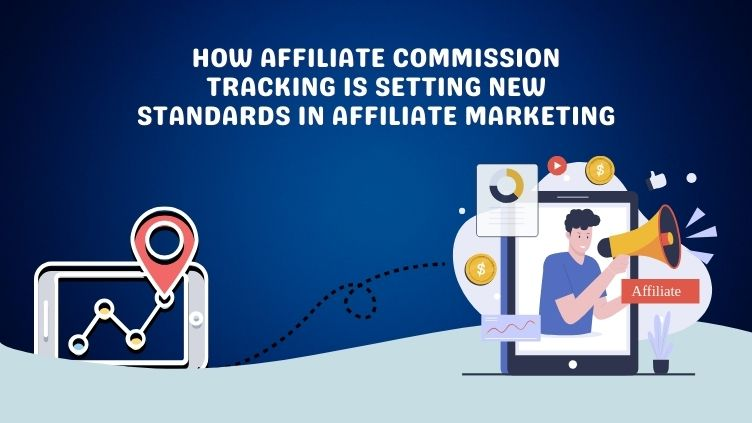
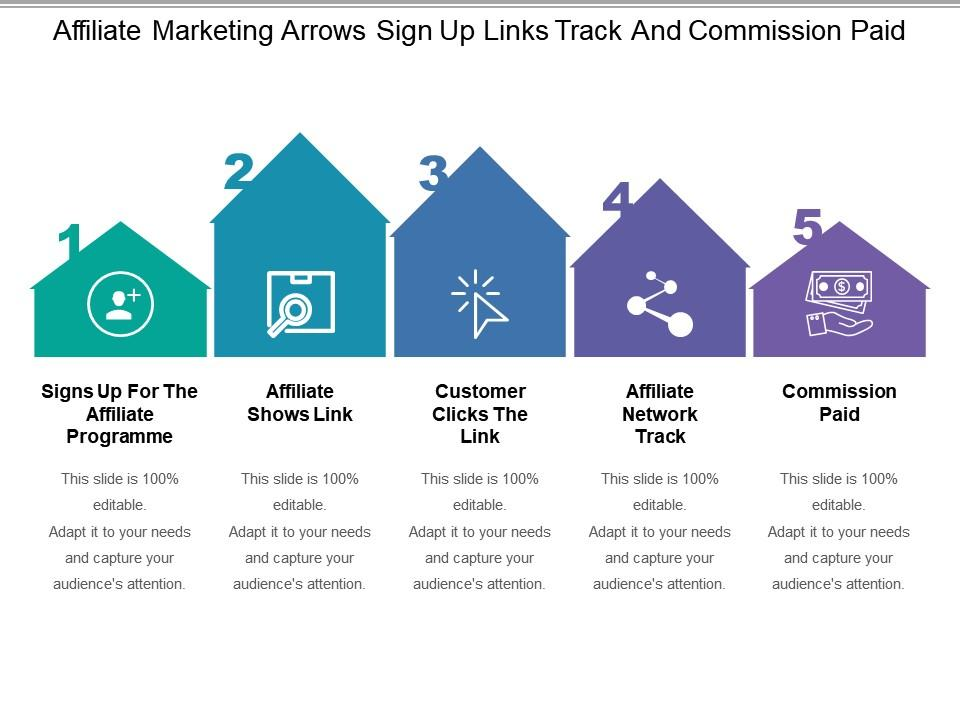
Here’s how the money flows from start to finish:
01
You publish content
A blog post, video, or social post with your affiliate link embedded.
02
Reader clicks
Cookie drops. The clock starts ticking on your commission window.
03
They buy
Merchant’s system matches the cookie to your affiliate ID automatically.
04
You get paid
Commission hits your account — usually 30–60 days after the sale clears.
The delay between sale and payment trips up a lot of beginners. Most programs hold commissions for 30–60 days to account for refunds. So the sale you made today might not hit your bank until July. Plan your finances accordingly.
Three ways programs actually pay you
Not all affiliate programs work the same way. The payout model changes everything about what you promote and how you write about it.
Most common
Per sale
You get a % of each purchase. Amazon pays 1–8%. Software tools often pay 20–50%.
No purchase needed
Per lead
Someone fills a form or starts a free trial. Big in finance, insurance, and SaaS.
Best long-term
Recurring
You earn every month the customer stays subscribed. One sale = ongoing income.
Recurring commissions are where the “passive income” thing actually becomes real. Recommend a $99/month email marketing tool, someone signs up, and you get 30% — about $30 — every single month they’re a customer. Get 50 people signed up and that’s $1,500 a month from one piece of content you wrote two years ago. That’s not fantasy; that’s just compound effect over time.
Finding your niche — and why you’re probably overthinking it
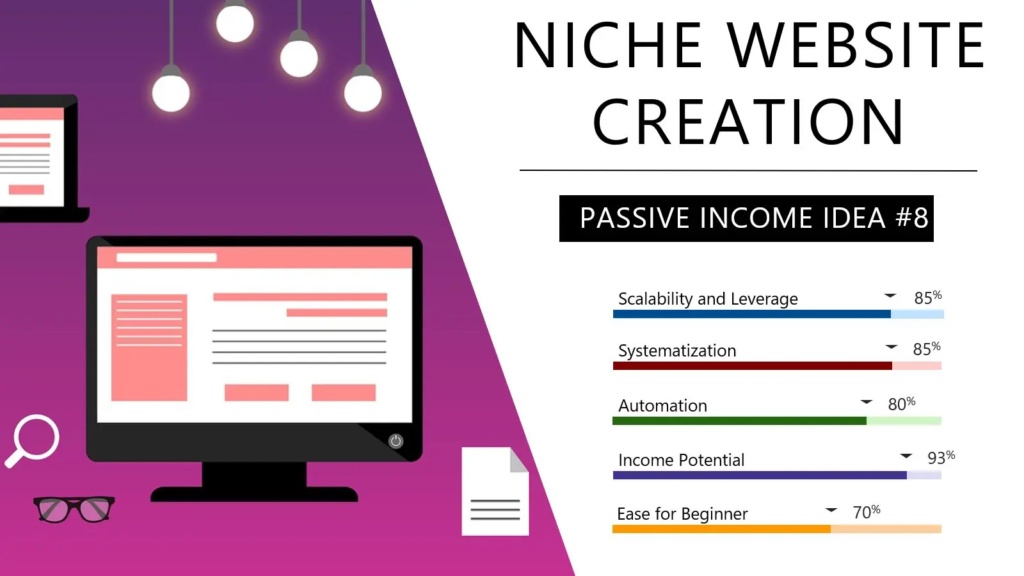
A niche is just the topic you build your content around. People overthink this badly. They spend six weeks researching niches instead of just starting, which is the oldest form of procrastination in the book.
Here’s the filter I actually use: Can you write 40 useful articles about this topic without getting bored? Are there products in this space that cost real money? Do people Google questions about this regularly? If yes to all three, you’ve got a niche.
You don’t need to be the world’s leading expert. You need to be one or two steps ahead of the person you’re helping. Someone who just figured out how to grow tomatoes in a small apartment balcony can absolutely help other beginners — sometimes better than a horticulturalist who hasn’t grown tomatoes in a pot since 1998 and forgot what it’s like to not know anything.
High-commission niches worth knowing about: software tools (20–50% recurring), web hosting (flat $50–$200 per signup), finance and credit cards ($50–$200 per approved lead), online courses (30–50% per sale). Physical product niches pay less per sale but can have massive volume.
How to actually start — the real sequence
Pick one platform and go deep
Blog, YouTube, newsletter, or a focused social account. All of them can work. None of them work if you spread yourself across all four at once. Blog + SEO is the slowest start but the most durable long-term — articles you write today can generate traffic for years. YouTube converts better because people trust faces. Pick one based on where you naturally want to spend time, not which one some course told you is “best.”
Sign up for programs relevant to your niche
Amazon Associates is fine for beginners even though the commissions are low — it teaches you the mechanics without the pressure of big decisions. For better payouts, look at Impact, ShareASale, CJ Affiliate, or go directly to the company’s website and look for an “affiliates” link in the footer. Most software companies run their own programs paying significantly more than marketplace platforms.
Write content for people who are close to buying
This is the one that unlocks everything. Generic “what is affiliate marketing” content doesn’t convert. “Bluehost vs SiteGround — which one did I actually stick with after trying both?” converts. “Best budget mirrorless camera for travel vloggers under $600” converts. The more specific the intent, the warmer the reader, and the shorter the gap between reading and buying.
Give it real time before you judge it
Google takes 6–12 months to fully trust a new site. YouTube might take 3–6 months to start pushing your videos to new people. Email lists are slow to build. Whatever platform you choose, you will feel like nothing is happening for an uncomfortably long stretch. That’s not a signal to quit — that’s just how it works. The people who are still publishing at month 9 are the ones who start seeing results at month 10.
The five mistakes I made so you don’t have to
1
Promoting things I’d never used
My early reviews were hollow because they were basically reworded Amazon product pages. Readers sense this immediately. You don’t have to own everything, but you need to have done serious research — or be honest that you haven’t used it personally. “I haven’t tried this but here’s what real users report” is more trustworthy than fake confidence.
2
Targeting keywords I had no business targeting
Writing “best laptops 2026” when you’re a brand-new site is like opening a tea stall next to Starbucks and wondering why no one comes in. You need to go specific. “Best laptop for architecture students who work in AutoCAD under $1,000” has almost no competition and the people searching it are ready to buy.
3
Skipping the disclosure
In most countries, you’re legally required to disclose affiliate relationships. But beyond the legal side — disclosing actually builds trust. A one-line note that says “some links here earn me a small commission at no cost to you” makes readers respect you more, not less. It signals you’re being upfront rather than sneaky.
4
Switching niches every 6 weeks
Started with fitness. Got bored. Switched to productivity. Got nervous about money. Switched to crypto. Nothing compounded because nothing got time to breathe. Pick a direction and stay. Boredom is not a signal to pivot — it’s a signal to go deeper into the same topic.
5
Treating month one results as representative
In the first 90 days, almost no one sees your content. You’re writing for an empty room. The mistake is thinking that empty room tells you something about the quality of your work or the viability of the niche. It doesn’t. It just means you haven’t been at it long enough.
What kind of money should you actually expect?
Honest version: in the first 6 months, probably very little. Between months 6 and 18, you might start seeing $50–$500 a month if you’ve been consistent. Past the 2-year mark, people who stuck with it and picked reasonable niches are often earning $1,000–$5,000+ a month. Beyond that, it scales based on traffic, niche margins, and whether you’ve been building an email list alongside your main content channel.
The ceiling is genuinely high. There are bloggers quietly making $30,000–$50,000 a month from affiliate links — not influencers with millions of followers, just people who spent 3–4 years writing really useful niche content and letting search traffic compound. But the floor is also real: if you don’t commit to consistency for at least a year, you probably won’t earn enough to matter.
Nobody talks about the boring middle — the months where you’re publishing regularly, seeing nothing, and wondering if you’re wasting your time. That’s where most people quit. And it’s exactly where you shouldn’t