Now Reading: Is Upwork Still Profitable in 2026 and How to Earn from It
-
01
Is Upwork Still Profitable in 2026 and How to Earn from It
Is Upwork Still Profitable in 2026 and How to Earn from It

Freelancing · Career · Real Experience
Is Upwork Still Worth It in 2026? I Tested It So You Don’t Have To
By A Freelancer Who’s Been There · May 2026 · 10 min read
Three years ago I spent six weeks sending proposals on Upwork and got exactly zero responses. I quit. Then a friend pulled in $4,800 in a single month from the same platform. I went back — and this time, everything was different.
Let me be upfront: Upwork isn’t some magic money machine. But it’s also not dead, oversaturated, or irrelevant — which is what a lot of people will tell you if you go looking for opinions. The truth, as usual, is more nuanced and more interesting.
This article is me sharing what actually worked, what bombed, and what you need to know before you spend a single Connect (Upwork’s bidding currency) in 2026.
So What Even Is Upwork?
Quick version: Upwork is a freelance marketplace where businesses and individuals post jobs, and freelancers bid to land them. You could be a copywriter, developer, designer, data analyst, video editor, virtual assistant — honestly, the list goes on. If you have a skill that can be delivered remotely, there’s probably a category for it.
The platform takes a service fee from your earnings — currently 10% across the board after they simplified their fee structure. So if you earn $1,000 from a client, Upwork keeps $100. That’s the basic deal.
18M+Registered freelancers
5M+Client businesses
10%Platform service fee
$3.8BFreelancer earnings annually
Is It Still Profitable in 2026?
Short answer: yes — but with a big “it depends” attached to it. The platform has evolved a lot. There’s more competition, yes. But there’s also more money flowing through it than ever before, because remote work is now just… how a huge chunk of the world operates. Companies that went remote during 2020–2022 never fully went back, and their budgets for freelance help are real and ongoing.
What killed a lot of people’s Upwork dreams wasn’t the platform — it was their approach. They treated it like a job board where you send a resume and wait. It doesn’t work that way. It never did, but it really doesn’t in 2026 with the volume of proposals clients receive.
The freelancers I know who are crushing it on Upwork right now share a few traits: they’re specific about what they offer, they write proposals that actually address the client’s problem, and they’ve positioned themselves in a niche that commands real rates. The generalists who write “I can do anything!” are the ones struggling.
Common mistake #1Applying to hundreds of jobs with the same copy-paste proposal and wondering why nobody replies. Clients can smell a template from a mile away. One genuinely customized proposal beats ten generic ones every time.
The Niches That Are Actually Making Money Right Now
I’m not going to give you a generic list of “popular skills.” Here’s what I’ve actually seen paying well based on real conversations and data from freelancers actively working on the platform:
AI Prompt Engineering
AI Content Strategy
Web Development
UX/UI Design
No-code Development
Data Analysis / BI
Technical Writing
Cybersecurity
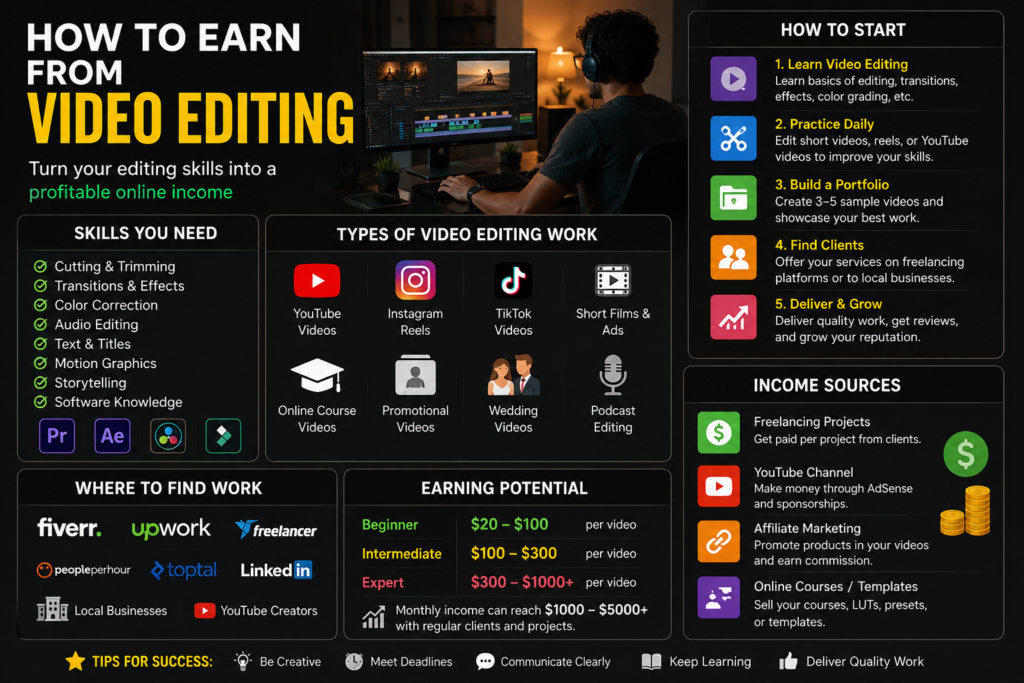
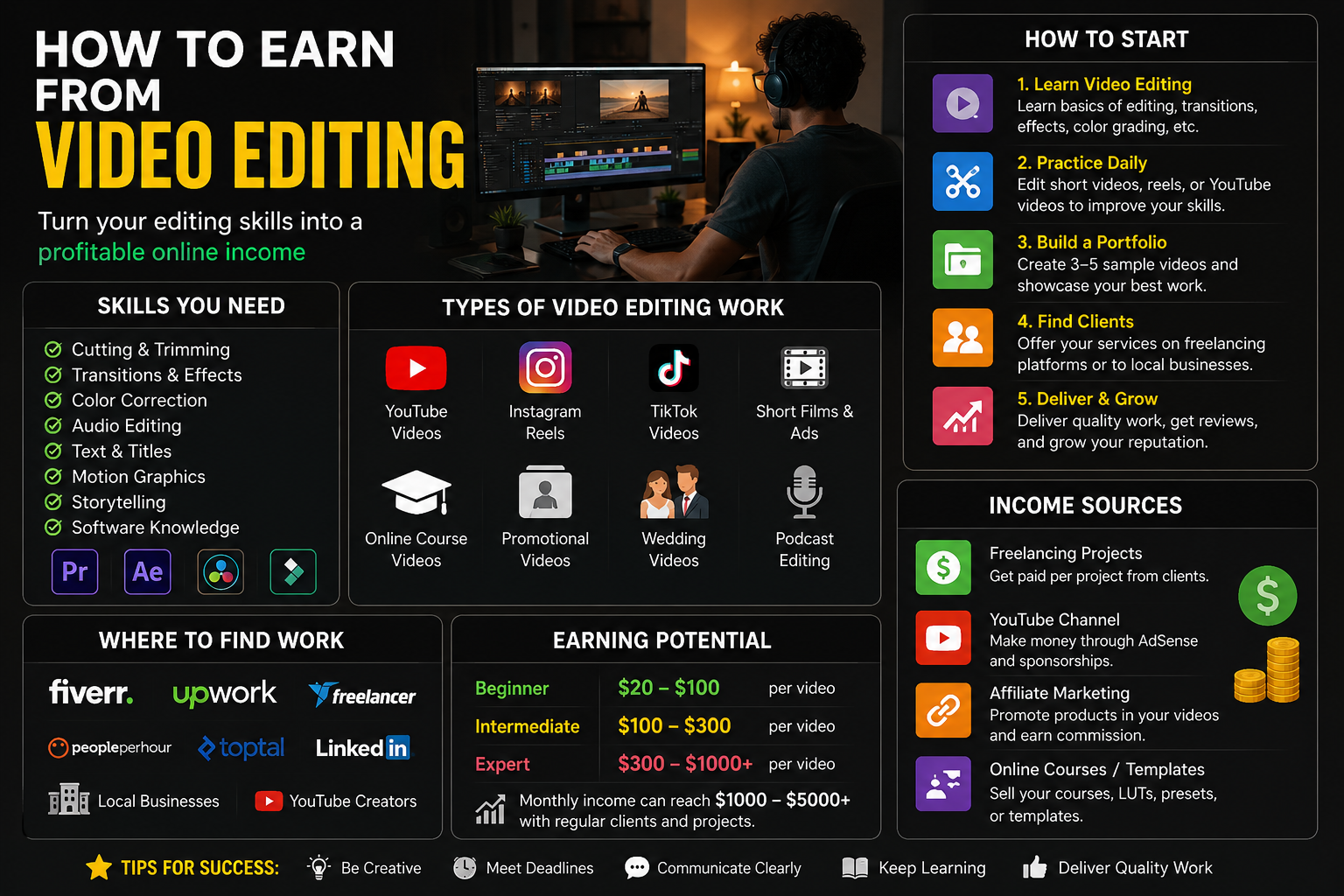
Video Editing
Workflow Automation
Bookkeeping / Finance
SEO / Content Writing
Hot demand Rising fast Consistently solid
The AI-related skills are particularly interesting right now. Businesses are scrambling to figure out how to actually use AI tools in their workflows, and they’ll pay well for someone who can show them the way — whether that’s setting up automation pipelines with tools like Make or Zapier, writing effective prompts, or building custom GPT-based assistants for their teams.
“The platform rewards specificity. The more clearly you describe exactly who you help and how, the better your conversion rate.”
How to Actually Start Earning: Step by Step
Here’s the path that works in 2026, based on what I’ve seen succeed versus what I’ve seen quietly fail.
- Pick one focused niche — not a skill, a niche. Not “I write content” but “I write email sequences for B2B SaaS companies.” The tighter, the better. Your profile should speak directly to one kind of client.
- Build your profile like a landing page, not a resume — Start with a headline that names your value, not your job title. “I help e-commerce brands cut cart abandonment with email flows” beats “Experienced Email Marketer.” Your overview should open with the client’s problem, not your background.
- Get your first two or three jobs strategically — In the beginning, pricing to win is okay. Take a couple of smaller jobs at lower rates to build your review score. Five-star reviews early on are worth more than you think — they change how clients perceive you instantly.
- Write proposals that answer one question: “why you, specifically?” — Read the job post carefully. Reference something specific in it. Propose a solution, don’t just describe your experience. Keep it short — three to four paragraphs maximum. Clients get thirty proposals; they skim.
- Use Connects wisely — Each proposal costs Connects (Upwork’s bidding currency). Don’t spray them everywhere. Target jobs posted recently, by clients who have verified payment and have a solid hire rate. A client who’s hired before is far more likely to hire again.
- Turn one-time clients into repeat clients — The real money on Upwork is in relationships. When you finish a project, ask if there’s anything else they need. Over-deliver on the first job. A retainer with one good client is worth more than chasing new ones every week.
- Raise your rates incrementally — Once you have reviews and a solid profile, start bidding higher. Many freelancers stay stuck at low rates because they’re afraid to raise them. Don’t be. A client paying $100/hr expects a certain quality — and usually, they’re more pleasant to work with than the ones hunting for the cheapest option.
The Mistakes That Cost People the Most
Mistake #2: Ignoring the profile completelyYour profile is a sales page. If it looks sparse, unprofessional, or generic — clients click away. A well-written profile with a good photo, a specific headline, and portfolio samples does a lot of heavy lifting before you even write a single proposal.
Mistake #3: Underbidding to “get their foot in the door”There’s a difference between strategically pricing low to build reviews versus racing to the bottom indefinitely. Clients who only choose you because you’re cheapest are usually the hardest to work with and least likely to leave good reviews.
Mistake #4: Giving up after the first dry weekThe beginning is genuinely hard. The algorithm doesn’t know you yet, and clients can’t verify your quality. Most successful Upwork freelancers describe a slow first month followed by a sudden inflection point once they got a few reviews. It’s a compounding thing — patience matters.
What About the AI Competition?
This comes up a lot: “Isn’t AI replacing freelancers on Upwork?” The honest answer is — somewhat, in certain categories. Basic content writing, simple data entry, routine translation — yes, clients are doing some of that with AI tools now instead of hiring people.
But the work that requires judgment, industry knowledge, client communication, strategy, and accountability? That’s not going anywhere. In fact, many freelancers have pivoted to offering AI-assisted services — doing higher volume, higher quality work by using AI as a tool — and raising their rates because of it. The freelancers losing ground are the ones treating AI as a threat rather than a power tool.
Realistic Earning Expectations
I want to give you real numbers, not aspirational ones. Here’s roughly what you can expect at different stages:
- M1Month 1–2: You might earn very little or nothing while building your profile and getting your first reviews. This is normal. Budget for it.
- M3Month 3–4: If you’ve landed a couple of jobs and gotten good feedback, you might be pulling in $500–$1,500/month depending on your skill and rates.
- 1YYear one: Freelancers with in-demand skills and a solid profile can realistically hit $3,000–$6,000/month. Some exceed that significantly in high-value niches like development or data.
- 2YYear two+: With a strong review history, good client relationships, and higher rates, $8,000–$15,000/month is achievable in the right fields. Top-rated Upwork freelancers in tech often earn more.
These aren’t guaranteed outcomes — they depend heavily on your skill level, the time you invest, your niche, and frankly a little bit of luck in landing that first good client. But they’re also not fairy tales. People hit these numbers regularly.
A Few Tools That Actually Help
Some things that make the Upwork grind easier: Loom for recording short video proposals (surprisingly effective — maybe 10% of freelancers do it, which means instant differentiation); Grammarly or Claude for polishing proposals quickly; Notion for tracking which jobs you’ve applied to and what worked; and a good time-tracking habit using Upwork’s built-in tracker for hourly contracts.
For research, actually spend time on Upwork itself before you start bidding. Look at top-rated profiles in your niche. Study their headlines, their rates, their portfolio. That’s free market research that most people skip.
Here’s where I landed after going back to Upwork the second time: it’s a platform that rewards patience, specificity, and genuine effort. It’s not a get-rich-quick thing and it’s not a dead platform. Think of it more like a professional reputation you’re building, one job at a time. The people who treat it that way — who care about every project, who communicate well, who deliver what they promise — those are the people still growing their income on it in 2026. And there’s genuinely nothing stopping you from being one of them.